
How Often Should You Prune Trees in Austin? A Quick Guide

Updated: Oct 2
Knowing how often to prune trees is essential for maintaining healthy, safe, and attractive landscapes. For homeowners looking for tree pruning in Austin, TX, the right pruning schedule depends on tree species, age, health, location, and growing conditions.
Trees in Austin face unique challenges, including hot summers, drought stress, strong winds, and seasonal storms. Regular pruning removes damaged branches, improves tree structure, encourages healthy growth, and reduces potential safety hazards.
At Emerald Tree Care and Garden, we provide professional tree care services designed to support the long-term health of Austin’s trees. Whether you need routine maintenance or are searching for tree pruning near you, understanding the correct pruning frequency can help protect your investment and keep your property looking its best.
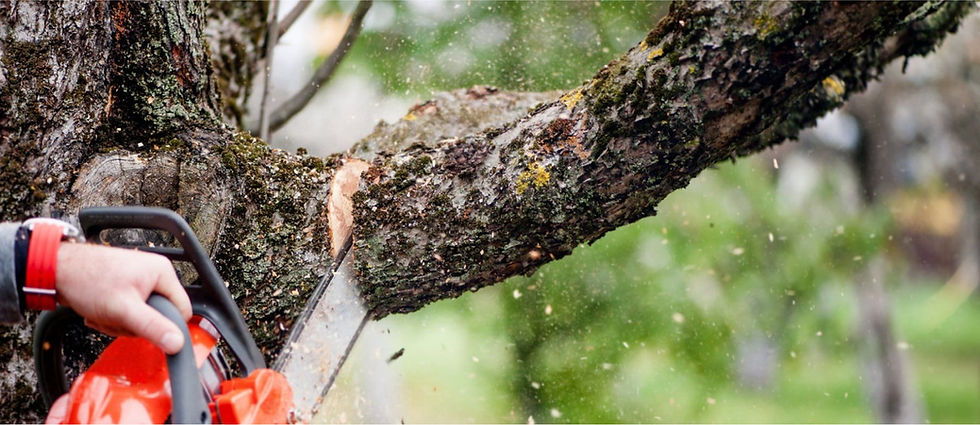
How Often Should Trees Be Pruned?
Most mature trees should be professionally pruned every 2 to 5 years, depending on their condition and species. However, younger trees often need more frequent pruning because early structural training helps develop strong branch patterns.
For many Austin properties, a general pruning schedule looks like this:
Young trees: Every 1 to 3 years to establish healthy structure.
Mature trees: Every 3 to 5 years for maintenance and safety.
Fast-growing trees: May require more frequent attention.
Damaged or unhealthy trees: May need immediate pruning.
No single schedule works for every tree. A professional assessment can determine the right approach based on your landscape needs.
Keep your trees healthy, safe, and well-maintained with professional tree pruning in Austin, TX. Emerald Tree Care and Garden can help assess your trees and recommend the right pruning approach for your property. Contact our team today to schedule your tree care service.
Why Regular Tree Pruning in Austin, TX Matters
Proper tree pruning in Austin, TX is more than an aesthetic improvement. Regular pruning supports tree health and prevents small problems from becoming major issues.
Tree Pruning Helps Prevent Safety Risks
Trees can become hazardous when branches grow too close to homes, vehicles, walkways, or power lines. Dead or weak limbs may fall during storms, causing property damage or injuries.
Routine pruning helps:
Remove dangerous branches
Improve branch strength
Reduce storm-related risks
Maintain safe clearance around structures
Pruning Improves Tree Health and Growth
Healthy pruning allows trees to use their energy more efficiently. Removing damaged, diseased, or overcrowded branches improves airflow and sunlight exposure throughout the canopy.
Benefits include:
Better air circulation
Reduced risk of disease spread
Stronger branch development
Improved overall tree appearance
Factors That Determine How Often Trees Need Pruning
Several factors influence how often a tree needs maintenance.
Tree Species and Growth Rate
Different tree species grow at different speeds. Fast-growing trees may need more frequent pruning, while slower-growing varieties may require less attention.
Common trees, including oak, cedar, pecan, and ornamental species, each have different pruning requirements.
Tree Age and Development Stage
Young trees benefit from regular structural pruning. Early corrections can prevent future issues such as weak branch unions, uneven growth, or overcrowded canopies.
Mature trees usually need maintenance pruning focused on removing problem branches while preserving their natural structure.
Tree Location and Surrounding Environment
A tree near a house, driveway, sidewalk, or utility line may need more frequent pruning than one in an open area.
Urban trees often need additional care because their growth can directly affect nearby structures and outdoor spaces.
Weather Damage and Seasonal Stress
Austin’s weather can create unexpected tree problems. Strong winds, storms, drought, and extreme temperatures may require extra pruning outside a regular schedule.
After severe weather, homeowners should inspect trees for:
Cracked branches
Hanging limbs
Split trunks
Sudden leaning
Broken canopy sections

Signs Your Trees Need Pruning
Waiting too long between pruning sessions can increase risks and make future maintenance more expensive.
Your trees may need professional pruning if you notice:
Dead or broken branches
Branches rubbing against each other
Overgrown limbs near your roof
Excessive shade caused by dense canopies
Weak or crossing branches
Uneven tree shape
Visible signs of disease or decay
Regular inspections help address problems before they become emergencies.
Best Time of Year for Tree Pruning in Austin
While pruning schedules depend on tree type, late winter is often the preferred time for many pruning projects in Austin.
During late winter:
Trees are usually less active.
Branch structures are easier to evaluate.
Fresh cuts have time to recover before intense summer heat.
Pest activity is often lower.
However, you can perform emergency pruning at any time when a tree creates a safety concern.
A knowledgeable tree professional can recommend the safest timing based on the specific tree and situation.
Common Tree Pruning Mistakes Homeowners Should Avoid
Incorrect pruning can damage trees and create long-term health problems. Some common mistakes include:
Removing Too Many Branches at Once
Excessive pruning can stress trees and reduce their ability to produce energy. Removing too much canopy may weaken the tree instead of improving it.
Topping Trees
Tree topping involves cutting off large sections of the upper canopy. This practice can lead to weak new growth, decay, and poor tree structure.
Ignoring Professional Advice
Every tree has different needs. Using the same pruning method for every tree can create unnecessary damage.
Hiring an experienced tree care company ensures proper techniques.
How to Choose an Affordable Tree Service in Austin
When searching for an affordable tree service in Austin, homeowners should consider more than just price. Quality tree care protects your property and helps avoid expensive problems later.
Look for a company that offers:
Experience with tree species
Safe pruning methods
Clear recommendations
Proper equipment
Focus on long-term tree health
Emerald Tree Care and Garden provides reliable tree maintenance solutions focused on safety, quality workmanship, and healthier landscapes.
Practical Tree Pruning Tips for Homeowners
To keep your trees healthy between professional visits:
Check trees after major storms.
Remove small dead branches when safe to do so.
Avoid damaging the trunk or bark.
Watch for changes in tree growth.
Schedule routine professional inspections.
Preventive tree care is usually easier and more affordable than emergency repairs.
Frequently Asked Questions
How often should mature trees be pruned?
Most mature trees should be inspected and professionally pruned every 3 to 5 years. Trees with health issues, storm damage, or rapid growth may need more frequent care.
How often should young trees be pruned?
Young trees often benefit from pruning every 1 to 3 years. Early pruning helps build a strong structure and prevent future problems.
What is the best season for tree pruning in Austin, TX?
Late winter is generally considered a good time for many pruning projects because trees are less active and can recover before summer heat arrives.
Can trees be pruned during summer in Austin?
Yes, but plan summer pruning carefully. Large-scale pruning during extreme heat may stress trees, so professional guidance is recommended.
How can I find professional tree pruning near me?
Look for a local tree care company with experience, positive customer feedback, proper safety practices, and knowledge of regional tree species.
Conclusion
Understanding how often to prune trees helps homeowners maintain safer, healthier, and more beautiful landscapes. For properties requiring tree pruning in Austin, TX, regular inspections and properly timed pruning can prevent problems while supporting strong tree growth.
The right pruning schedule depends on your tree’s species, age, condition, and surroundings. Working with experienced professionals ensures your trees receive the care they need without unnecessary cutting or damage.
Need local tree pruning in Austin, TX? Find Emerald Tree Care and Garden on Google Maps and see where our team provides professional tree care services.


Comments